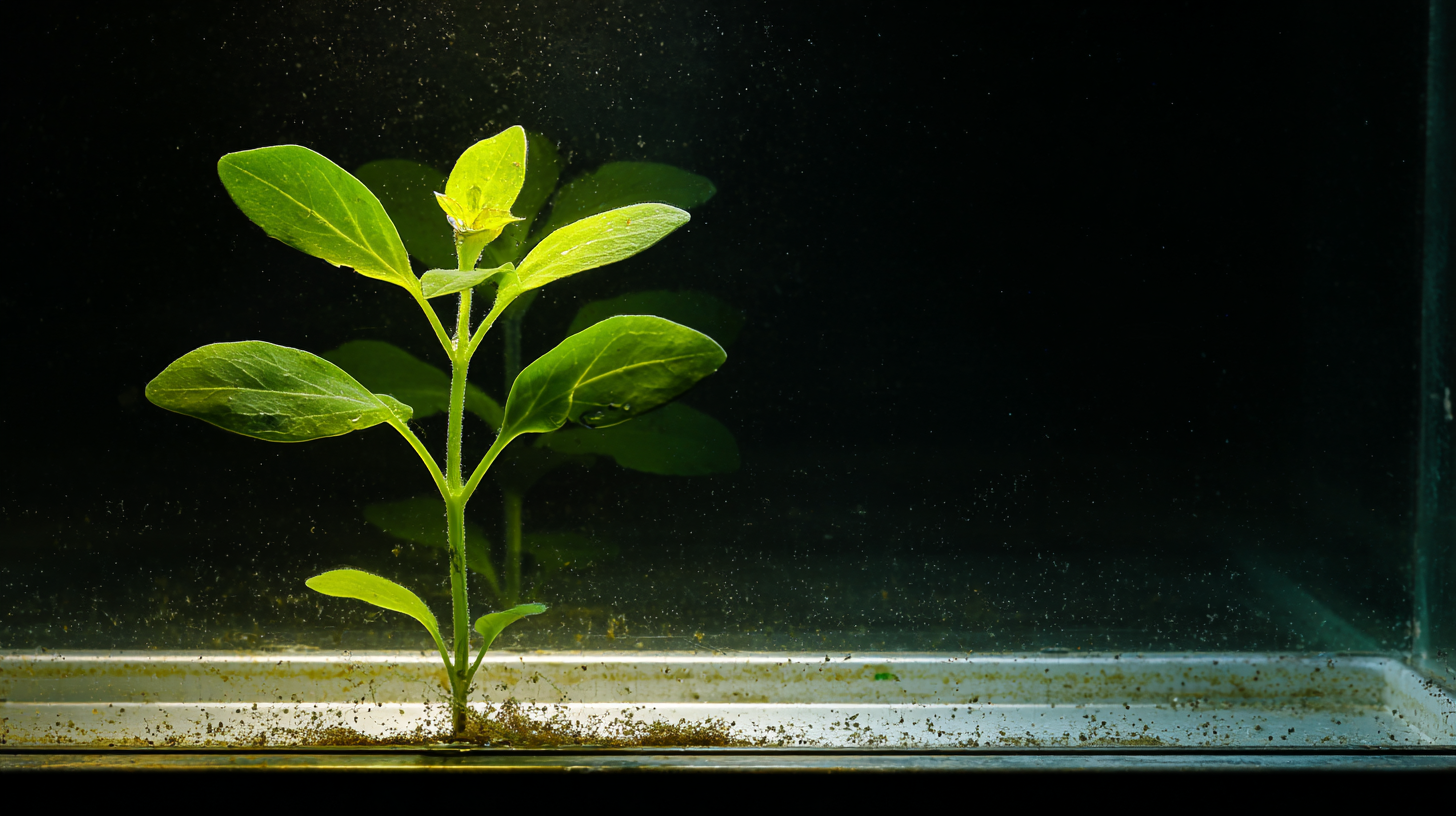
Controlled modification of growth form in woody perennial species presents a distinct set of challenges from those encountered in annual crop modification or pharmaceutical biological systems. The principal difficulty is temporal: the phenotypic expression of a sequence modification introduced at the seedling stage may not be fully observable for several growing seasons, during which environmental variance compounds with developmental variance to produce outcomes that require careful attribution.
Phase One of the Form project addressed three primary research questions.
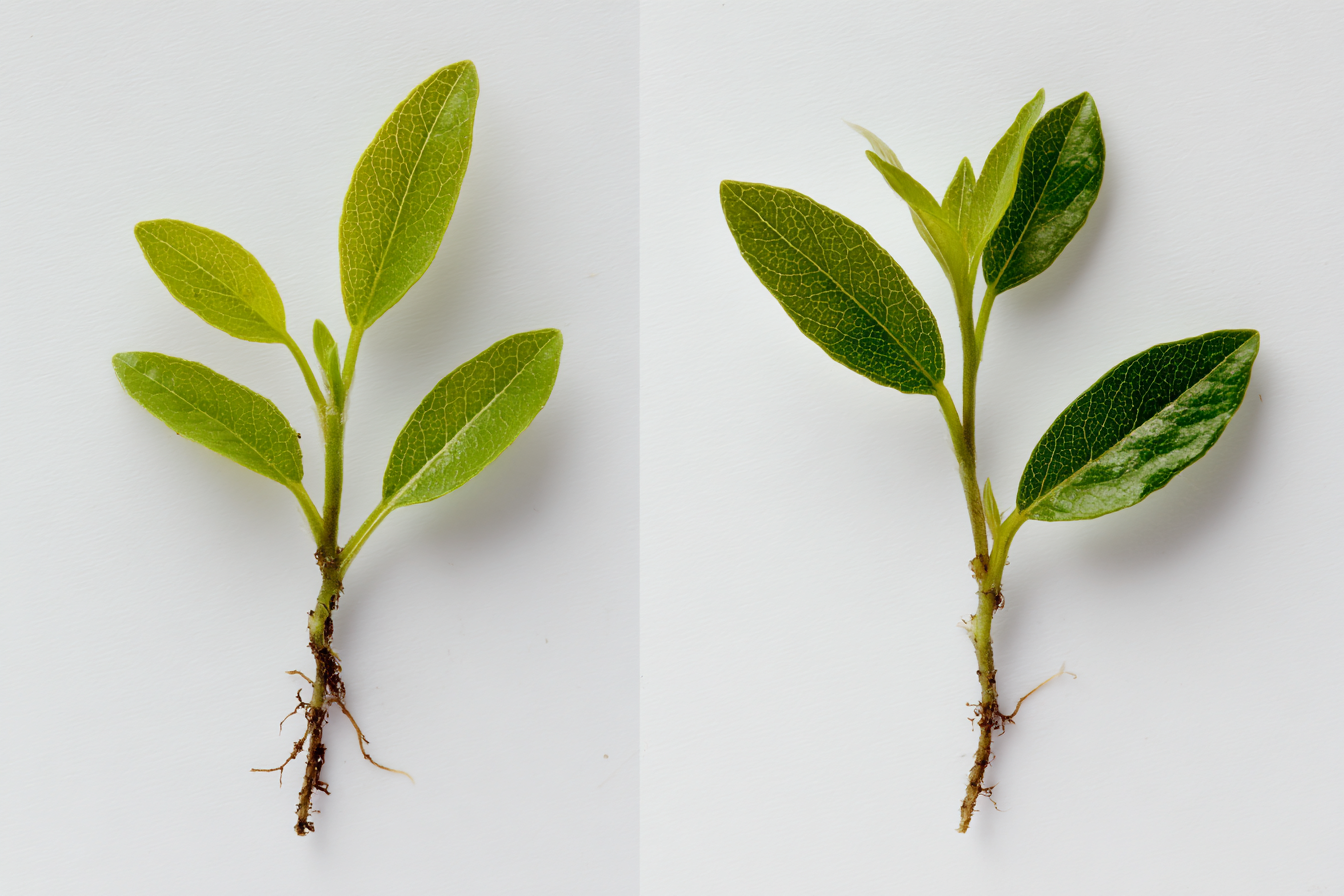
First: which growth-regulatory pathways offer the most reliable targets for stable directional modification? The auxin distribution network, governing apical dominance and branch angle, was the primary intervention site. Secondary targets included gibberellin biosynthesis pathways influencing internode extension rates and secondary growth timing. Early observations suggest that auxin pathway modifications offer higher phenotypic stability across environmental variance than gibberellin-pathway interventions, though combined modifications produce the most precise form outcomes.
Second: what is the minimum modification complexity required to specify a useful furniture form? A chair seat surface requires control of four parameters: planar growth angle relative to vertical, branching suppression in the target region, secondary growth rate to achieve structural thickness, and growth arrest at target dimensions. Phase One prototype specimens required between six and eleven sequence modifications to achieve stable specification across these parameters. Current protocols achieve this with nine modifications in the core meristematic region plus two downstream regulatory adjustments.
Third: how does growth environment consistency affect specification fidelity? This proved the most significant variable in Phase One. Specimens grown in controlled environment facilities demonstrated form deviation from specification within 4.2% at harvest. Outdoor specimens grown with manual environmental management showed deviation of 11.7%. The gap is attributable primarily to light differential consistency and soil moisture variance. Phase Two protocols include automated differential lighting systems and subsurface moisture management to address this.
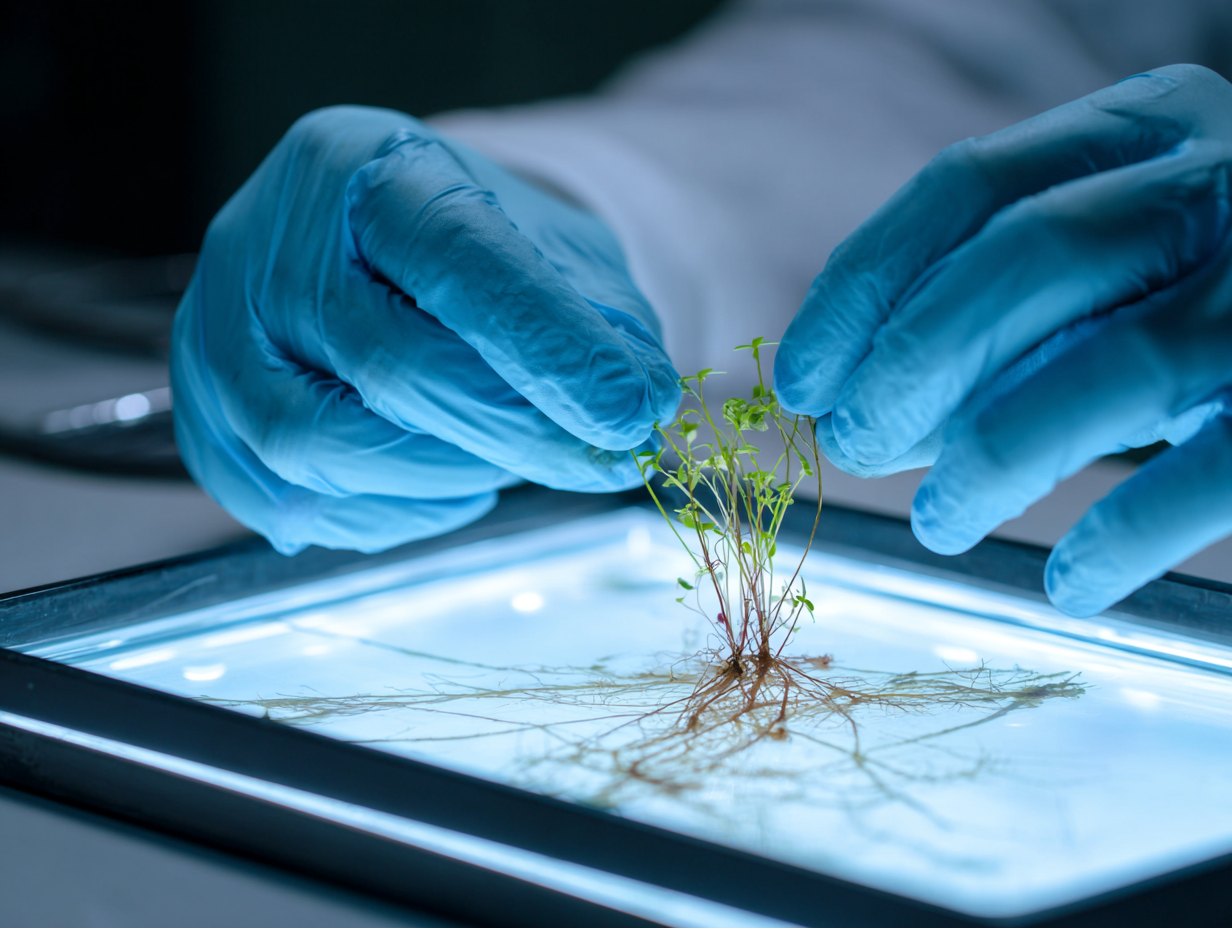
Failure modes in Phase One fell into three categories. Specification drift: the modification produces the intended effect during early growth but loses fidelity as the organism matures and compensatory growth mechanisms activate. Environmental override: extreme environmental events activate stress response pathways that suppress specification. Developmental instability: in a small proportion of specimens, the modification produced developmental instability leading to growth arrest or abnormal morphology. The last category is being addressed through codon optimisation in the current modification protocol.
Growth cycles for chair-scale specimens ranged from 34 to 61 months in Phase One, with high variance attributable primarily to species selection and growth environment consistency. Phase Two will standardise around two candidate species demonstrating the most favourable combination of growth rate, modification stability, and material properties.
Phase One conclusions: directed morphogenesis in woody perennials is achievable with current modification tools. The primary remaining engineering challenges are growth cycle predictability and specification fidelity under real-world growing conditions. Both are tractable.