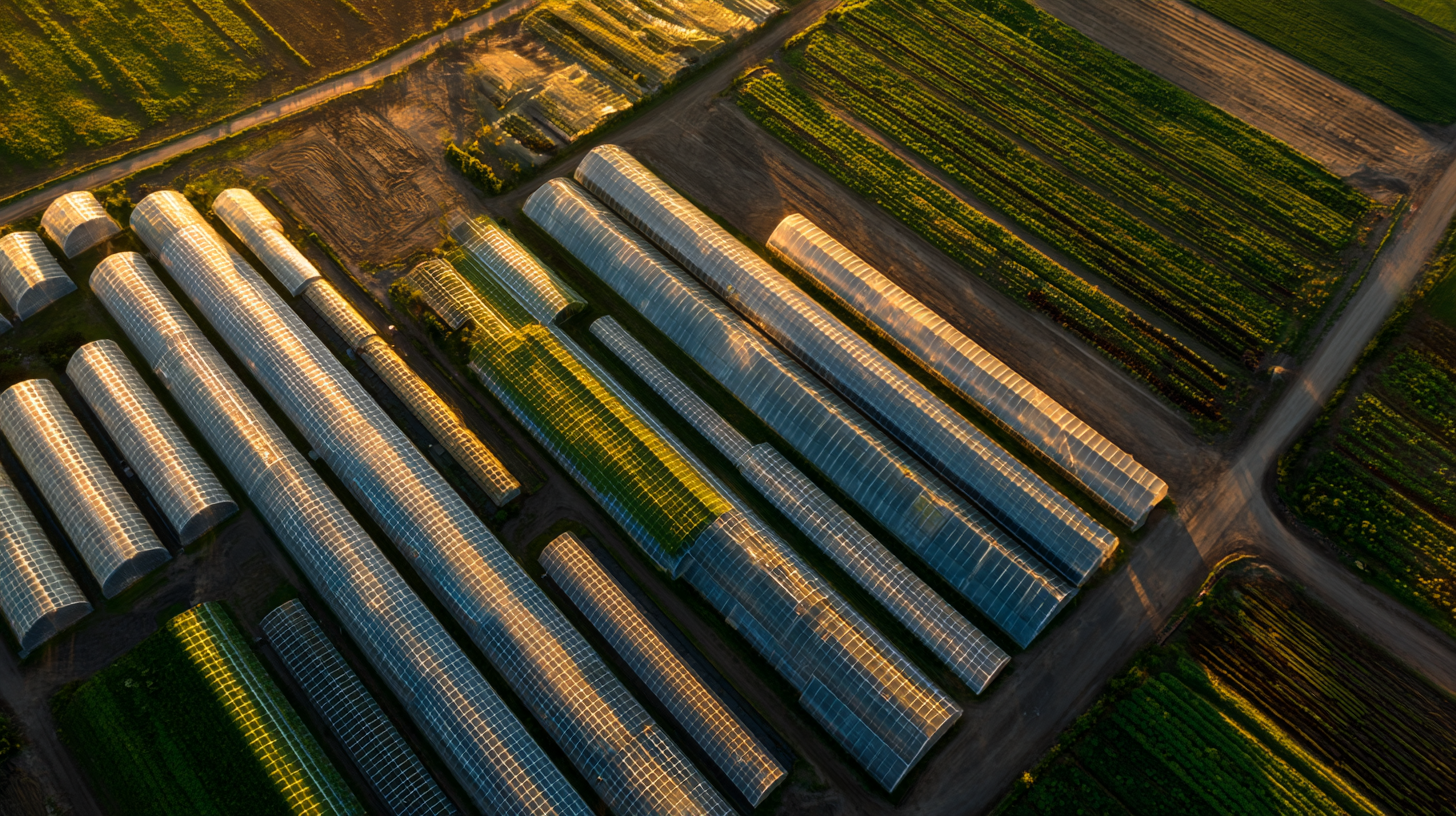
The furniture manufacturing supply chain is among the most geographically distributed and logistically complex in consumer goods. Timber must be grown at scale, harvested, transported, dried, processed through multiple milling stages, distributed to manufacturing facilities, processed again into components, assembled, finished, warehoused, and distributed to retail or direct channels. Each stage introduces cost, delay, quality variance, and capital exposure.
The average time from seedling to delivered product in conventional furniture manufacturing spans decades when timber growth cycles are included, or several months from raw timber acquisition if we exclude the growth period as an externalised cost absorbed by forestry operations. This externalisation is the central structural inefficiency of the current model: the most capital-intensive phase of production — growing the biological material — has historically been treated as a naturally occurring input rather than a manufactured one.
Form changes this accounting.
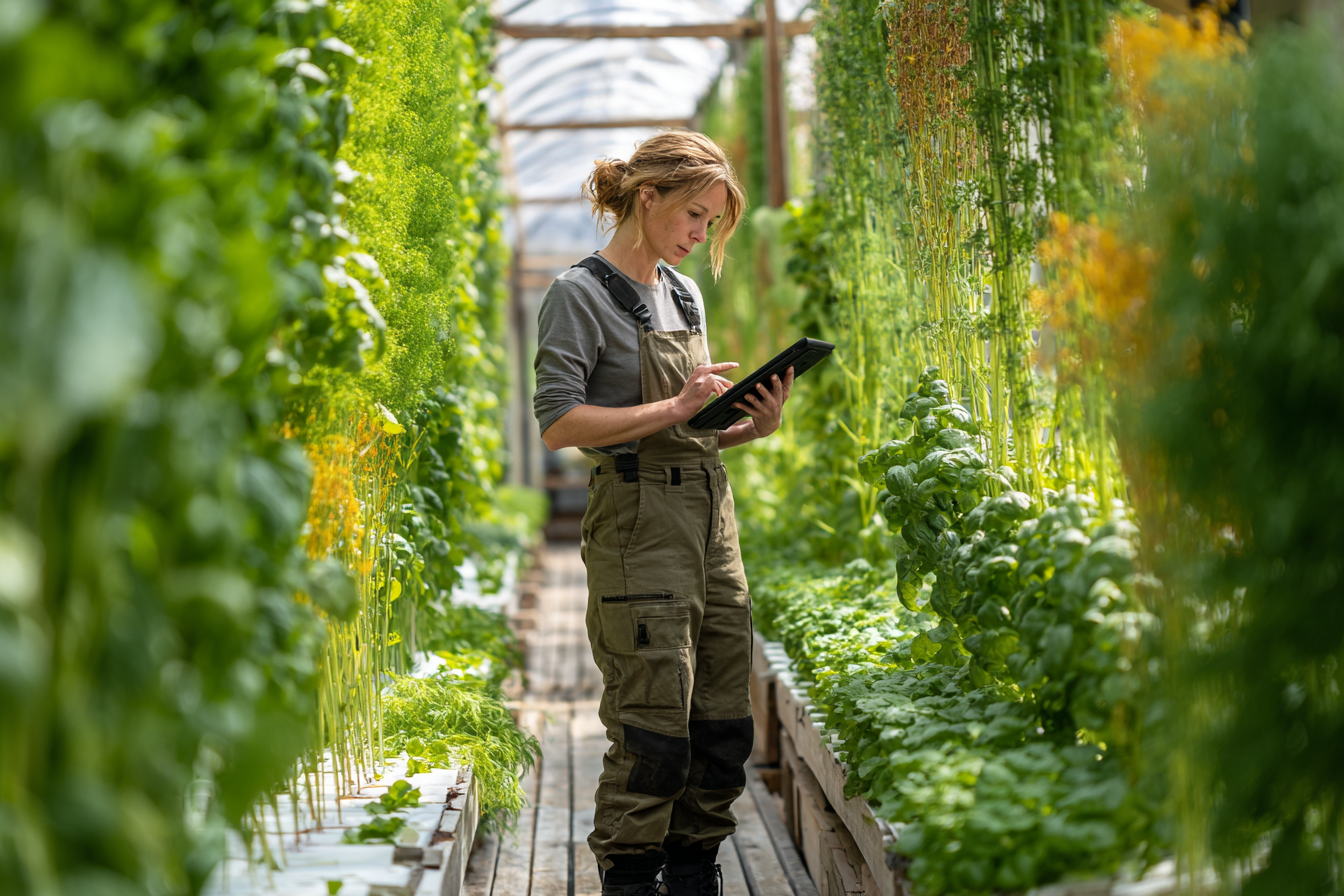
In a directed morphogenesis model, the growth period is not an externalised forestry cost. It is the manufacturing cycle. The tree is not raw material awaiting processing. It is a work in progress. Capital is deployed at planting — in seed selection, in genetic modification, in growth environment infrastructure — and the yield is a finished object, not a raw input for further processing.
This restructuring of the value chain has significant implications for capital allocation timelines. A Form production facility commits capital three to seven years before revenue, depending on product category. This is structurally similar to the capital cycle of commercial viniculture, fine whisky production, or long-rotation forestry — all of which have developed financing instruments appropriate to extended production cycles.

The risk asymmetry differs from conventional manufacturing in ways that are, on balance, favourable. Conventional furniture manufacturing absorbs commodity price volatility in timber and materials, transportation cost variance, energy costs across multiple processing stages, and labour costs at several points in the supply chain. Form absorbs growth environment operating costs — primarily controlled environment agriculture infrastructure — and a single labour-intensive phase at planting. Downstream processing costs approach zero. The object is finished when it is harvested.
Early field results suggest that material consistency in directed growth specimens significantly exceeds that of conventionally processed timber. The specification encodes tolerance ranges. Variance is a function of how precisely the growth environment maintained the specified conditions — a controllable parameter — rather than the inherent variability of harvested natural material.
The adoption curve for Form objects will not follow conventional consumer furniture patterns. The initial market is not volume. It is provenance. The first buyers of Form objects will be purchasing something without an existing market category: a manufactured object whose form emerged from a biological process specified years in advance. The price premium for that provenance will be substantial in the early market.
The long-term manufacturing economics, once production cycles are established and growth infrastructure is amortised, compare favourably with high-end furniture manufacturing. We are not targeting the mass market in the initial phase. We are establishing the category while the supply chain matures.