Every generation inherits a set of practices it finds unremarkable. The next generation finds them baffling.
This is not a moral observation. It is a historical one. The mechanism by which practices become unremarkable is exposure and time, not ethical improvement. The mechanism by which they stop being unremarkable is change — usually in the underlying conditions that made the practice logical in the first place.
Industrial slaughter is now in the second phase.
What It Actually Is
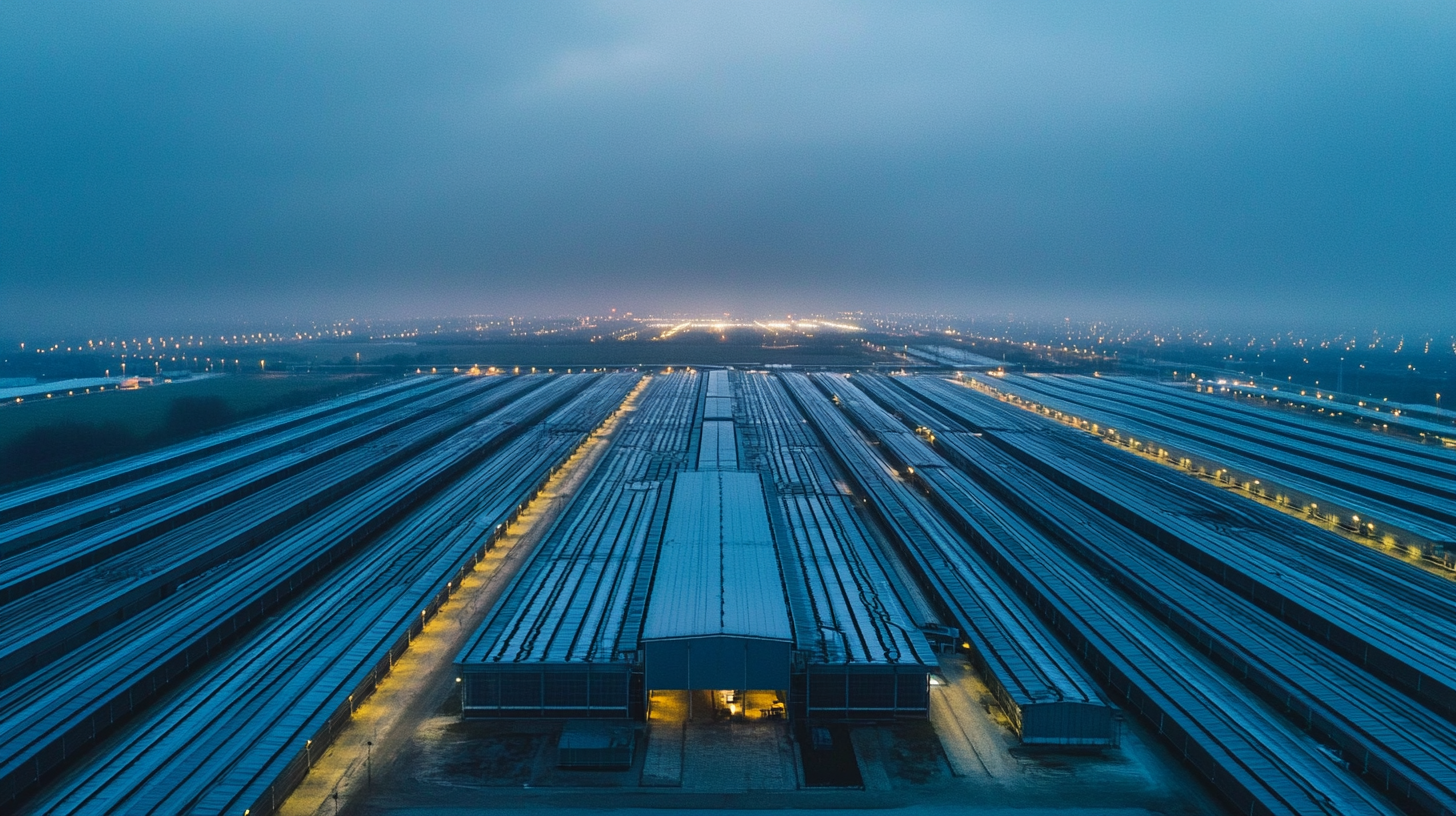
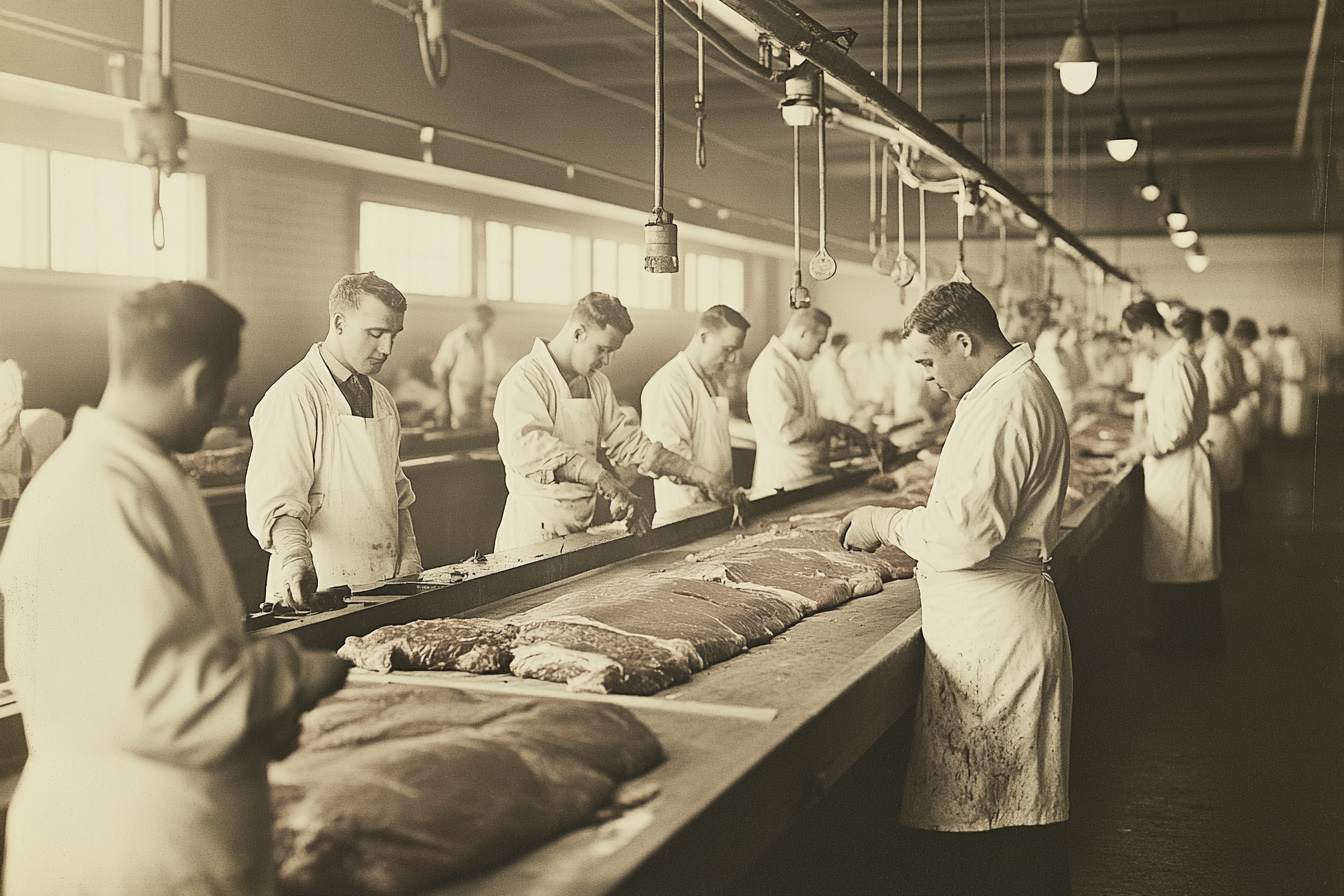
Industrial animal slaughter is a logistics system. It was designed in the early twentieth century to solve specific problems: how to produce protein at scale for urban populations geographically distant from agricultural land, under conditions where refrigeration was new and unreliable, labor was abundant and cheap, and the alternative could not meet demand.
The system worked. It solved the problem it was designed to solve. It also became normal, and "normal" is the most durable category in human cognition. Things that are normal do not need to be examined. They simply are.
This is why discussions of industrial slaughter tend to become discussions of values, tradition, and identity, rather than discussions of logistics and infrastructure. The logistics have become invisible. What remains visible is the cultural frame around them.
The Frame Is Not the System
The cultural frame around industrial slaughter — the idea that eating animals is traditional, natural, ancestral — is not the system. The system is slaughterhouses, refrigerated trucks, rendering plants, and feedlot operations spanning millions of acres. The frame was constructed after the system was built, not before it.
Your ancestors did not eat factory-farmed chicken. They ate whatever protein was locally available, seasonally, in quantities determined by what the surrounding environment could support. The industrial system is not the continuation of that practice. It replaced it.
This is worth saying plainly, because the cultural frame depends on conflating the practice with a longer tradition it does not actually belong to. Once you see the conflation, it becomes difficult to unsee.
What Is Actually Being Defended
When people defend industrial animal agriculture against distributed biological alternatives, they are rarely defending the specific practices involved. They are defending the category the practices have been assigned to: natural, traditional, real.
These are powerful categories. They carry significant emotional weight. They are also not particularly accurate descriptors of a system that produces hundreds of millions of tons of meat annually through industrialized processes that would have been unrecognizable to any traditional agricultural society.
The defense is cultural, not factual. Which means it is more durable in the short term — cultural identities resist challenge — and less durable in the long term, because cultural identities evolve continuously in response to changing conditions.
The Transition
Distributed biological protein production is not a moral improvement over industrial slaughter. It is a technical one. It produces equivalent nutrition through a more controllable, more geographically flexible, less input-dependent process.
This will not change everyone's mind immediately. Most transitions in how food is produced do not arrive through changed minds. They arrive through changed conditions: cost, availability, regulatory environment, infrastructure investment. The minds follow the conditions, usually with a lag of one or two generations.
What changes faster is the cultural frame. And the cultural frame is already changing, with or without anyone's permission.
Industrial slaughter is not tradition. It is logistics. Logistics evolve when better logistics appear.
The only question worth asking is how far ahead of that curve you want to be.