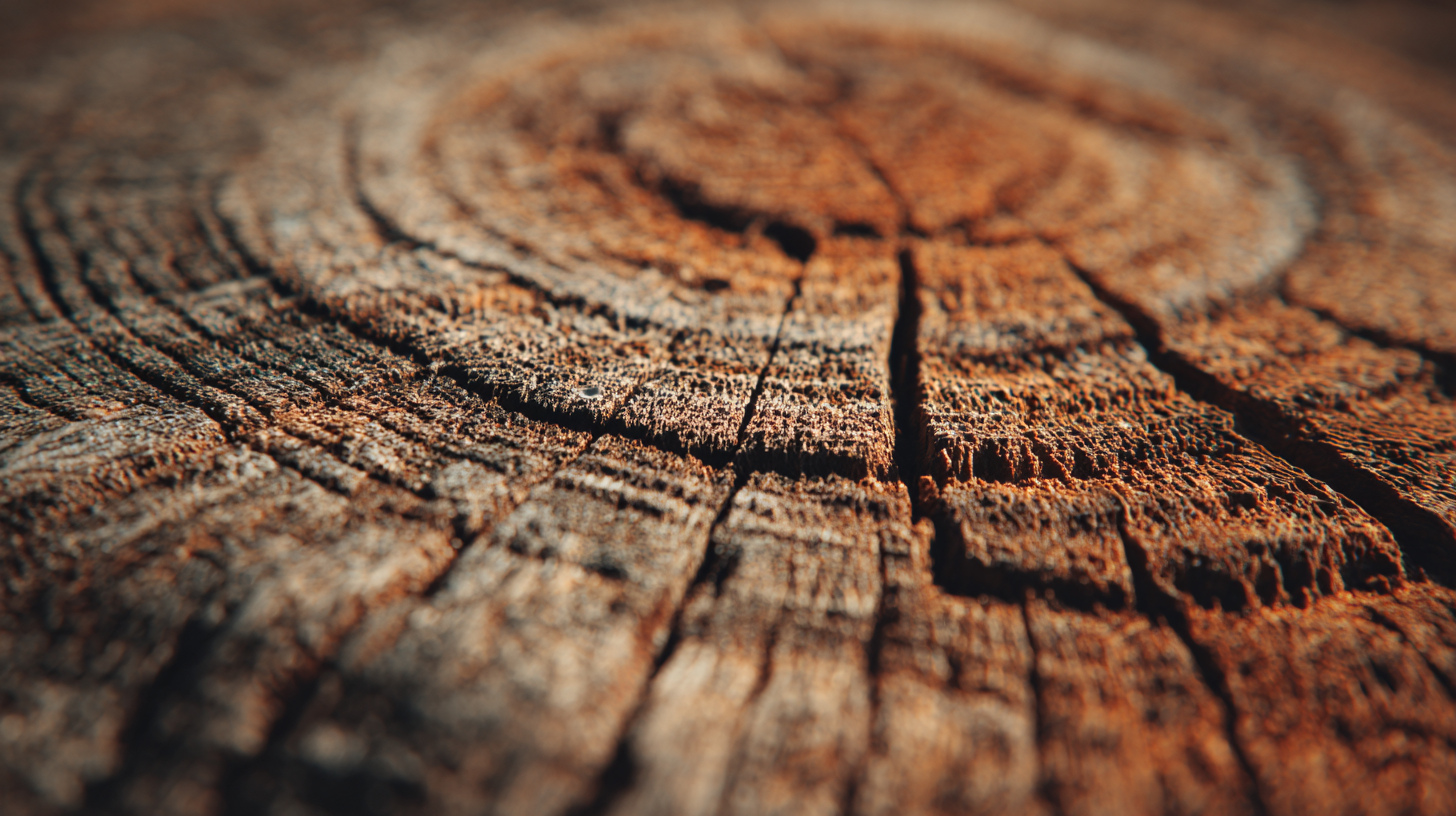
The proposition of Form is not new. Every culture that has worked with wood has observed that wood already knows how to take form. We have spent several thousand years interrupting that process rather than working with it.
The history of furniture manufacturing is a history of imposing external geometry on biological material. We cut the organism at the moment it achieves usable scale. We mill it flat. We joint it at angles the organism never intended. The result is a product that preserves none of the material's structural intelligence — only its substance.
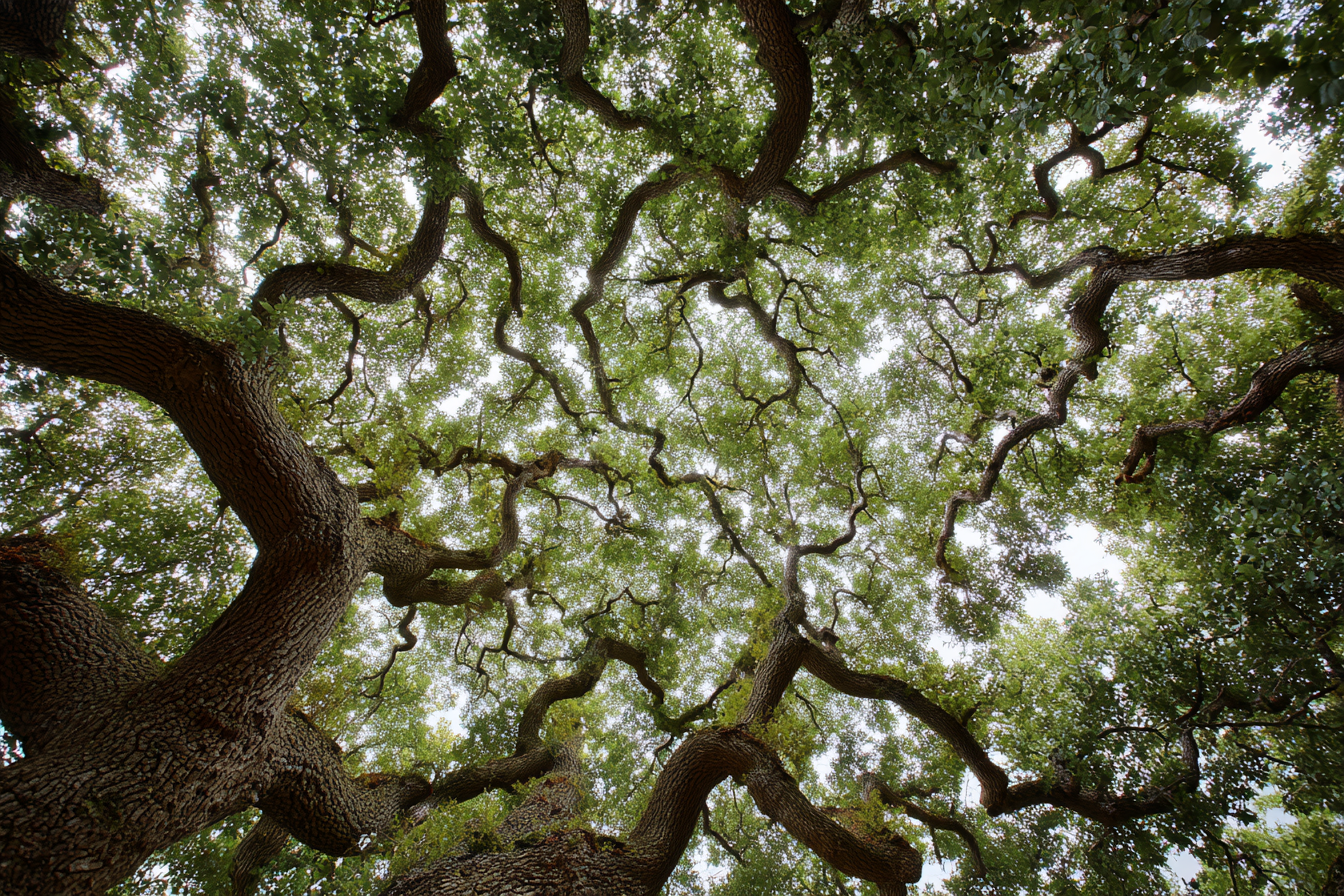
This is not a critique of craftsmanship. The constraint was real: we had no tools to specify the form in advance, so we extracted raw material and imposed form after the fact. That constraint has been removed.
The Form project works by encoding structural geometry into the organism's developmental programme during its early growth phase. The target form — a chair, a table surface, a shelf bracket — is expressed as a set of growth parameters: branch angle tolerances, apical dominance ratios, secondary growth timing, node placement distributions. These parameters are introduced via targeted sequence modification in meristematic tissue.
What grows from that point forward is not unguided. It is not, in any meaningful sense, natural. It is a biological system executing a detailed specification — but executing it through biological processes, at biological timescales, using biological material.
The distinction that matters is not natural versus manufactured. It is: at which point in the process does human intention enter? In conventional furniture manufacturing, intention enters at the end — after the organism has finished growing, after we have removed it from its growth environment, after we have severed it from the continuity of its own developmental process.
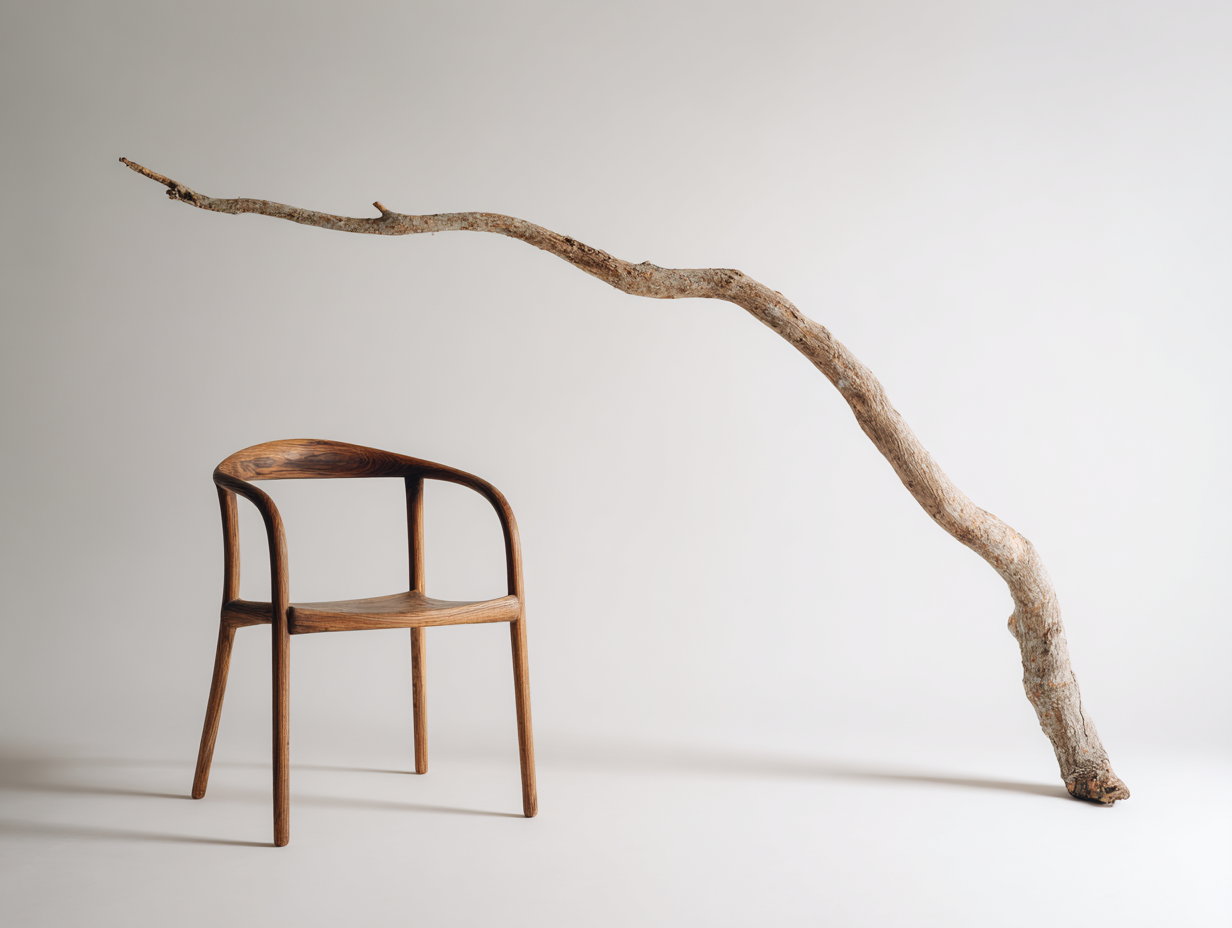
In Form, intention enters at the beginning. The organism grows with the specification already embedded. What we harvest is not raw material. It is a finished object that took several years to arrive.
This changes the manufacturing relationship in a way that is deeper than it initially appears. In conventional manufacturing, speed is a competitive advantage: faster production cycles, more units per hour, shorter lead times. In biological manufacturing, time is not a constraint to be optimised. It is the process itself. A Form object cannot be rushed. It can only be started earlier.
This is unfamiliar to capital structures built around throughput. But it is entirely familiar to agriculture. The transition we are making in Form is not from manufacturing to biology. It is from furniture to farming.
The long-term implication is not a better chair. It is a different category of object: one whose form was determined years before its delivery, whose structure emerged from a living process, and whose material history is fully documented from seed to surface. The object knows where it came from. Eventually, so will the person sitting in it.