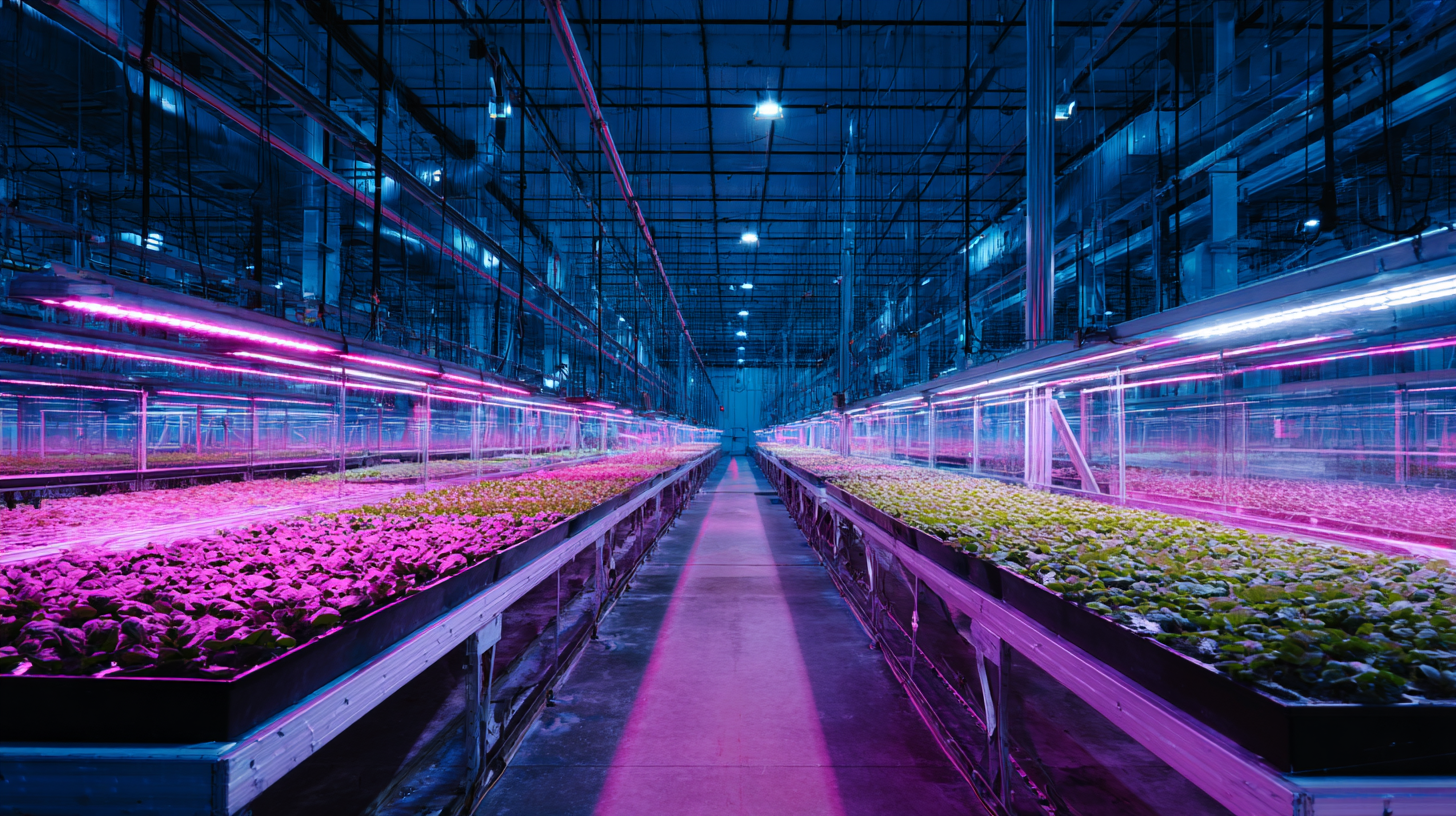
The engineering challenge in Form is not the modification. The modification is a solved problem, or close enough to one. The challenge is consistency at scale across a multi-year growing cycle.
A chair takes three to five years to grow. During that period, the growth environment needs to maintain conditions within the tolerances specified by the protocol. Light differential — the directional asymmetry in light exposure that drives growth angle — needs to stay within roughly eight degrees of specification. Soil moisture needs to stay within a defined range. Temperature variance needs to stay manageable.
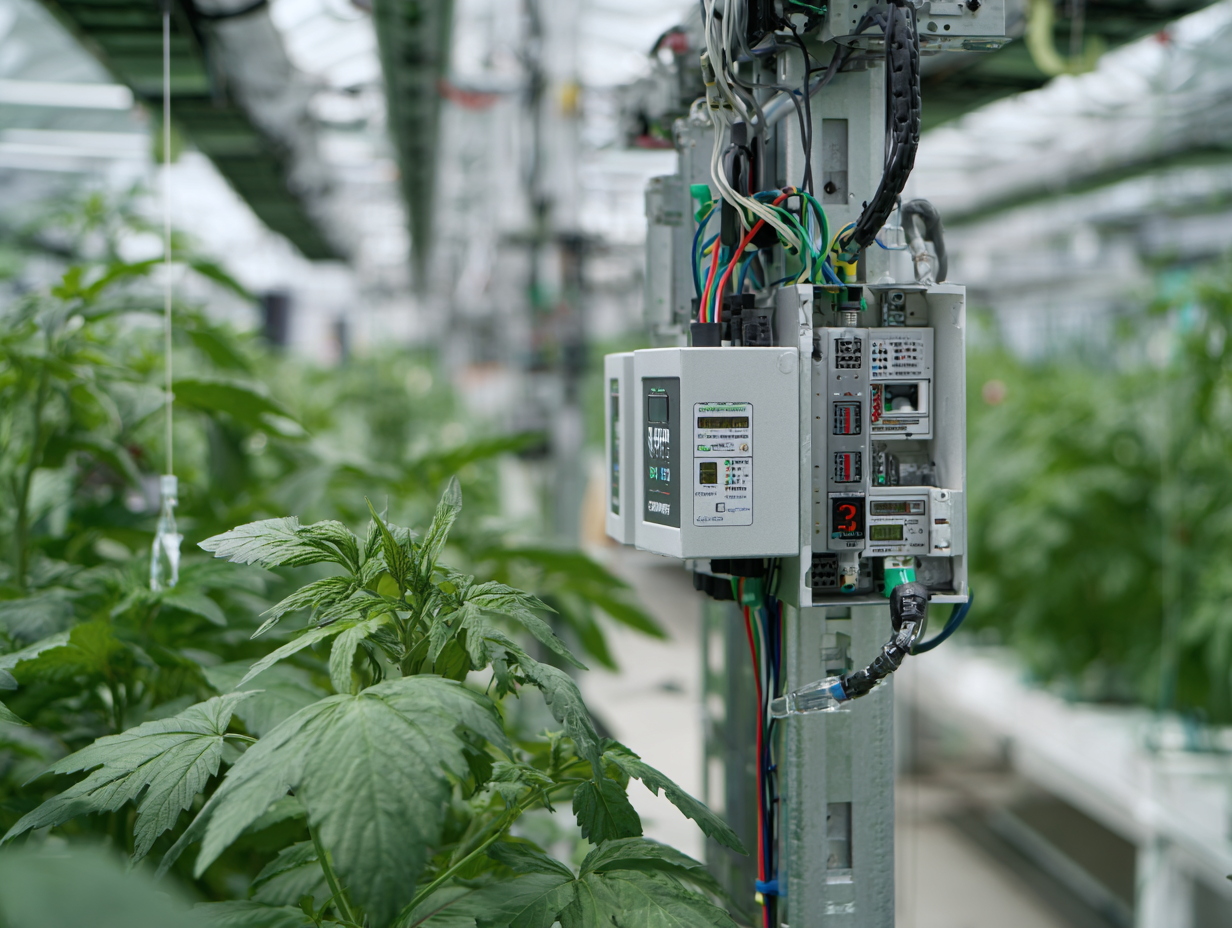
In a controlled environment facility, this is an infrastructure problem with known solutions. We are running a precision agriculture system with a very long cycle time. The systems exist. The sensors exist. The actuation systems exist. The challenge is running them reliably for four years without introducing the kind of accumulated drift that throws a specimen out of specification.
The harder problem is outdoor growing, which is where the economics actually work at scale. Controlled environment facilities maintain tighter tolerances, but the capital cost per growing unit is high. To get Form to a price point beyond the initial provenance market, we need the unit economics of field growing.
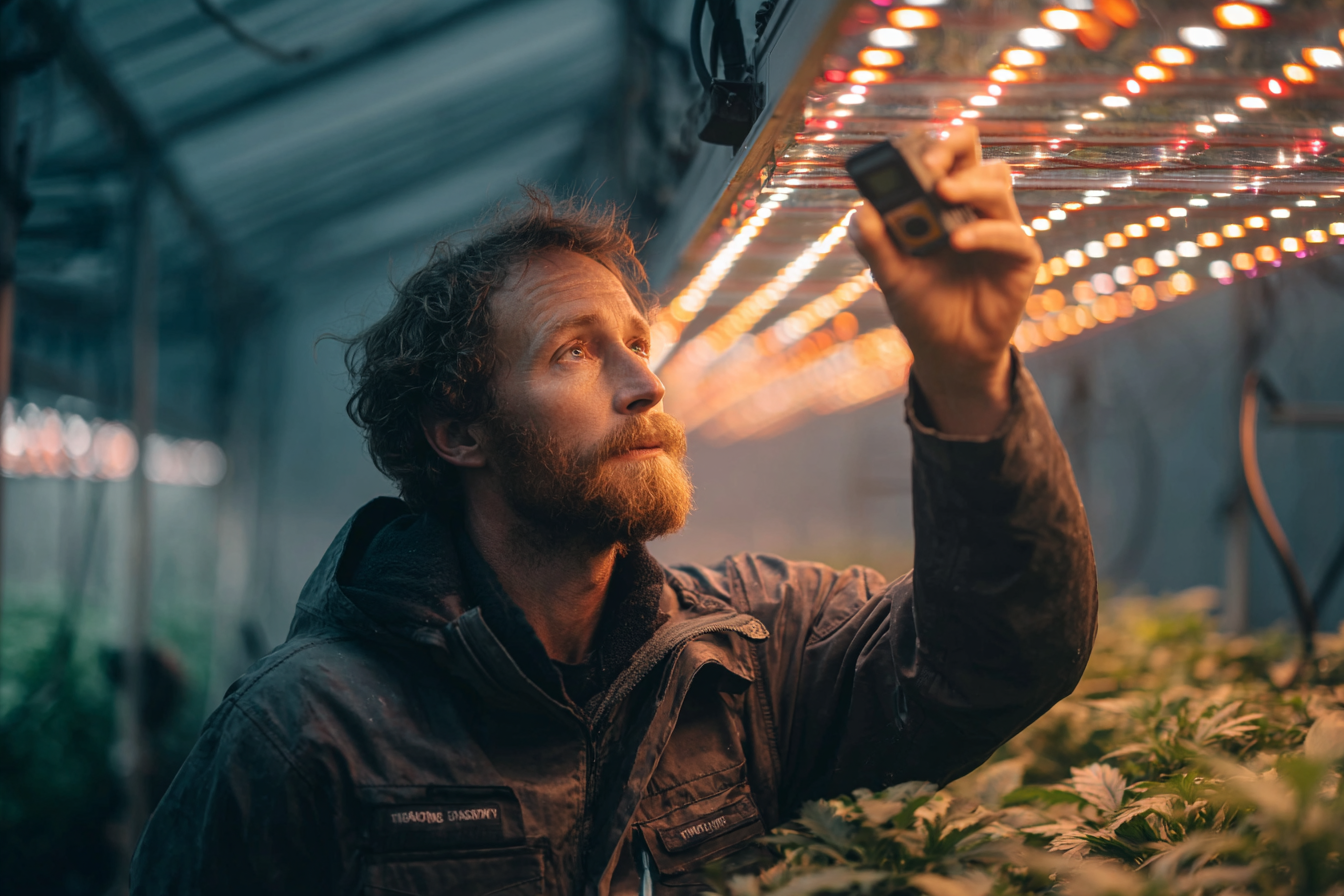
The current outdoor protocol uses subsurface drip irrigation with soil moisture sensors at three depths, a differential lighting rig — a structured shade system creating a consistent directional light asymmetry over each growing unit — and a monitoring cadence of every 72 hours with automated alerts for environmental excursions.
The limiting factor is not the technology. It is the coordination across time. A specification excursion in month four of a 48-month cycle has a different severity than the same excursion in month 44. The earlier the excursion, the more subsequent growth can compensate — or further deviate. We are still building the dataset to understand how early environmental deviations propagate through the growth trajectory.
The system behaviour is stable. It is not yet fully characterised.