
Earlier this month we launched a billboard campaign across twelve cities. The billboards read: "Industrial slaughter is not tradition. It is logistics."
Some people were angry. We expected this. Anger is, among other things, a distribution mechanism.
What the Campaign Is
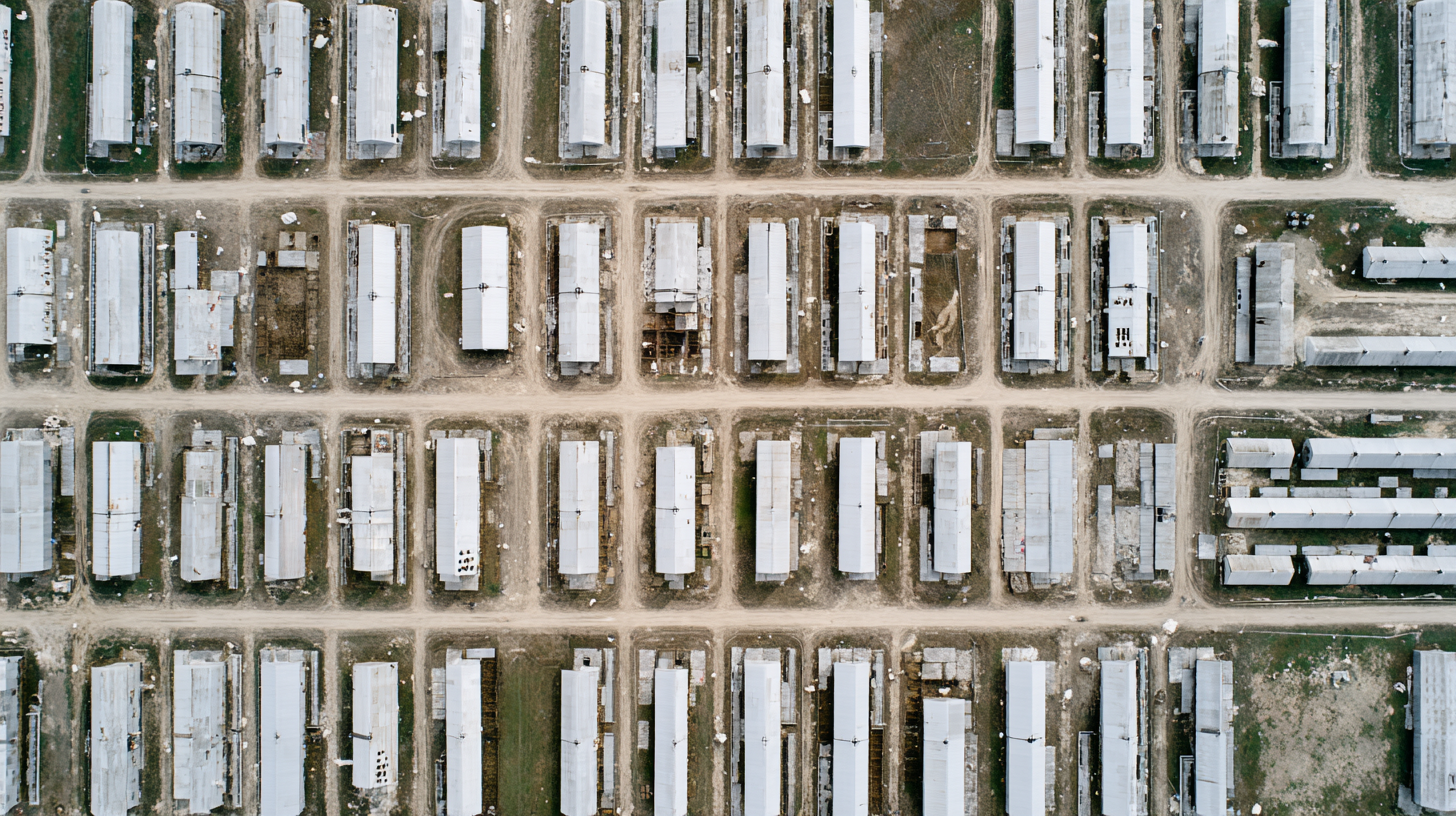
The "Industrial Slaughter Is Not Tradition" campaign is designed to insert a specific idea into public consciousness: that what is commonly described as traditional food practice is, in its current industrial form, a relatively recent logistical system, not a cultural inheritance.
This is not a novel argument. Food historians and agricultural economists have made versions of it for decades. But it has not, until now, been made in large format outdoor advertising in twelve metropolitan areas simultaneously.
The medium is part of the message. Billboards do not ask permission. They occupy shared visual space. They are not easily avoided. For a message about logistics systems that have become culturally invisible, there is something appropriate about a format that is itself difficult to look past.
The Lines
The campaign runs twelve variations on a single structural pattern: a declarative statement that reframes something assumed to be traditional as something that is actually logistical, historical, or infrastructural.
Selected lines from the campaign:

Industrial slaughter is not tradition. It is logistics.
Your grandfather didn't invent it. He inherited it.
Meat from a factory. Always has been.
Every generation thinks its food system is natural. None of them are.
The animal was not part of the ritual. The eating was.
The lines are designed to be slightly unfair. This is intentional. An argument that is slightly unfair is more memorable than one that is entirely accurate. Both these things can be true simultaneously: the argument is slightly unfair, and the underlying point is correct.
What We Are Not Doing
We are not running a moral campaign. The billboards do not argue that industrial slaughter is wrong. They argue that it is not what it has been positioned as being.
This distinction matters. A moral argument invites a moral counterargument and typically ends in a standoff between differently positioned values. A factual reframe is more difficult to counter, because the counterargument requires engaging with the actual history of industrial food production, which does not support the traditional framing.
The Coverage
Seventeen outlets covered the campaign in the first four days. Coverage was split approximately evenly between outlets that described the campaign as provocative and outlets that described it as offensive. Both characterizations are accurate and neither is a problem.
The relevant metric is not how the campaign is described. It is how many people see the lines. Both favorable and unfavorable coverage serve that metric equally well.
The campaign continues through the end of the quarter. Additional cities will be announced.