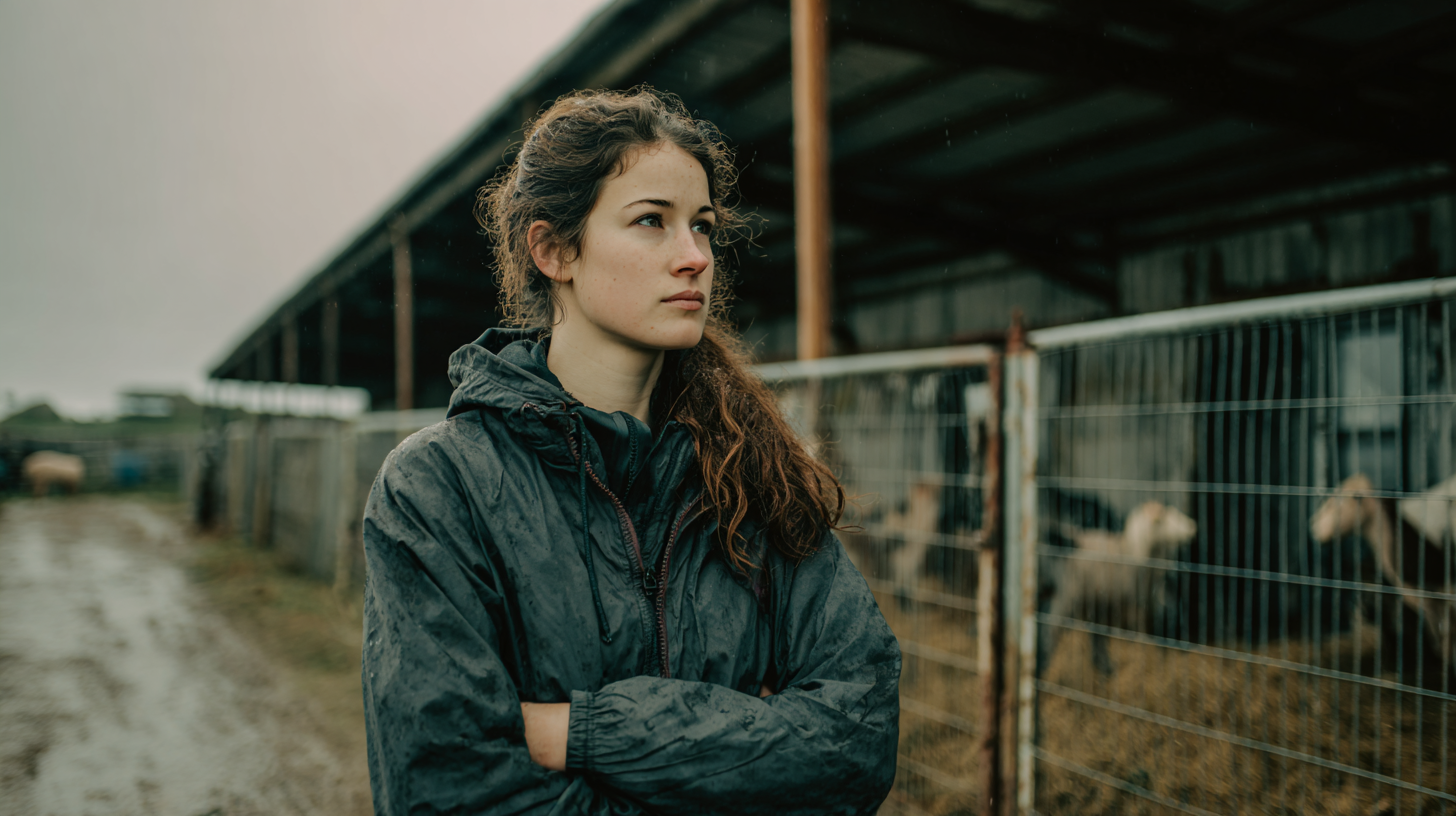
This letter is addressed to agricultural operators under forty who are currently managing or inheriting operations in conventional animal protein production. We recognize that is a specific audience for a public letter. We mean it specifically.
The Situation as We Understand It
The economics of conventional animal agriculture have become structurally difficult over the past two decades in ways that are unlikely to improve. Input costs — feed grain, fuel, veterinary pharmaceuticals, water — have risen faster than commodity protein prices in most major markets. Land values, which represent the primary asset for most farm operations, have appreciated in ways that create paper wealth while increasing the capital burden of entry for new and inheriting operators.
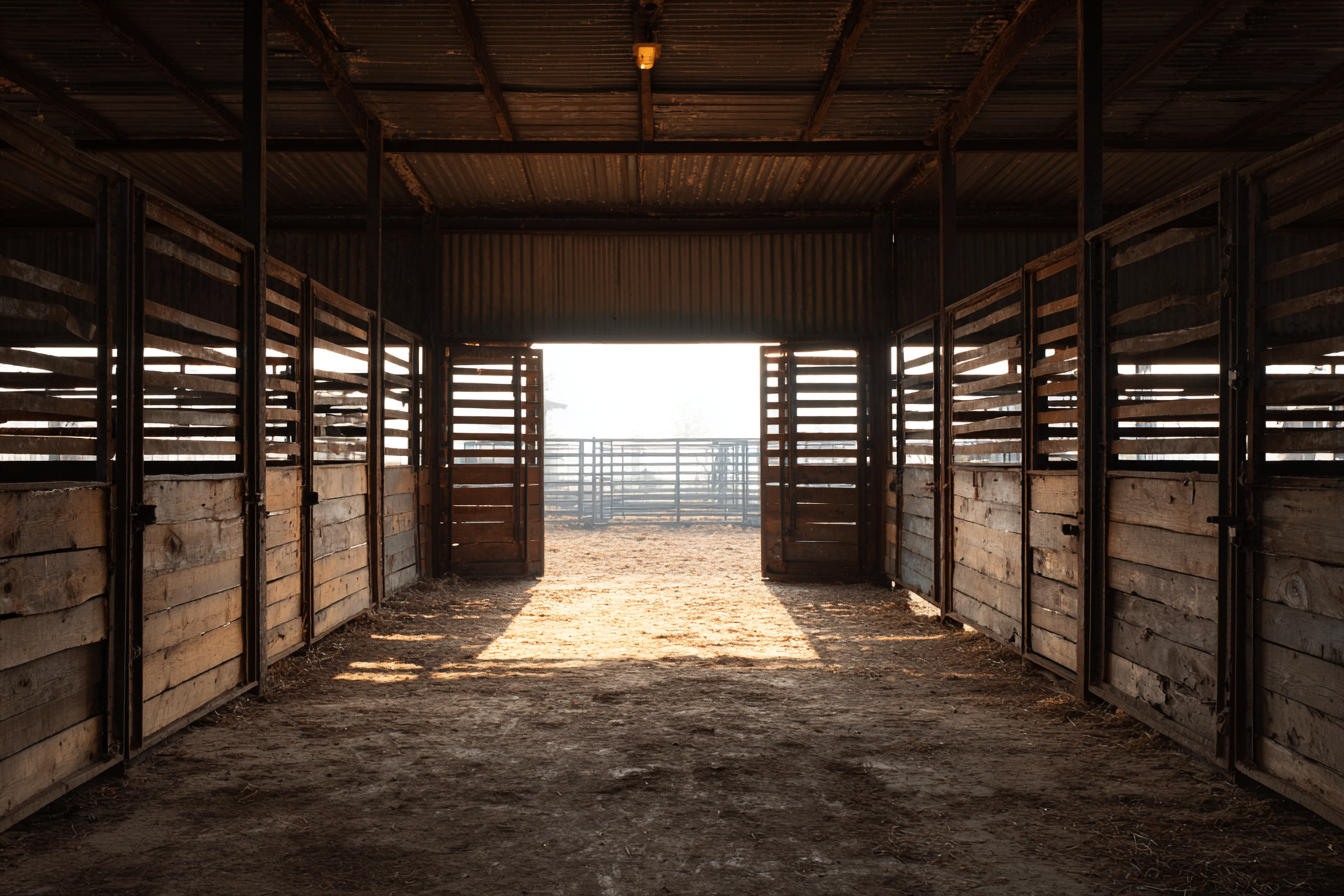
The typical young operator entering a conventional protein production business today inherits a capital-intensive, input-dependent operation with thin margins, high exposure to commodity price volatility, and increasing regulatory and climate risk. This is not a commentary on the people involved. It is a description of the structural position.
You likely already know this. You are living it.
What We Are Building
Mammalian Biotech is developing a distributed production network for cell-cultivated protein. Instead of centralized processing facilities, production occurs across a geographically dispersed network of small-scale cultivation environments. Individual operators own and manage their own units. The network provides standardized inputs, protocols, technical support, and offtake agreements at fixed contract pricing.
This is a different kind of farming. The substrate is cell culture rather than live animals. The facility requirements are different. The skill set involved is different in some ways and similar in others — attention to environmental conditions, systematic record-keeping, equipment maintenance, and process discipline are relevant in both contexts.
We are not proposing that you abandon farming. We are proposing that the definition of farming is not fixed, and that the underlying purpose — producing food reliably and efficiently from a manageable piece of infrastructure — can be served through different means than it has been.
The Economic Case
Contract pricing through the Mammalian Biotech network insulates partner operators from commodity price volatility. The input profile — nutrient media, cultivation equipment, energy — is different from conventional animal agriculture and less exposed to the specific cost vectors that have compressed margins in that sector over the past decade.
Start-up capital requirements for a Pure Culture production unit are meaningfully lower than the capital requirements for equivalent-yield conventional protein operations. Land requirements are substantially lower. Water requirements are substantially lower. The asset profile is different.

We are not representing this as risk-free. No production system is risk-free. What we are representing is that the risk profile is different from conventional operations, and that for operators who are currently carrying the specific risks associated with conventional animal agriculture, the alternative risk profile may be more manageable.
What We Are Looking For
We are not looking for early adopters in the sense that term is usually applied — people who are enthusiastic about novelty for its own sake. We are looking for operators who are serious about running a production operation, who understand that any new system requires a learning period, and who are willing to commit to the protocols and documentation requirements that operating within a quality-controlled network involves.
Experience in conventional animal or agricultural operations is neither required nor excluded. What matters is operational discipline and a realistic assessment of what this transition involves.
The Longer Frame
The transition in protein production infrastructure that is underway will take longer than optimists project and shorter than incumbents hope. That is consistent with the historical pattern in analogous transitions.
The operators who will be best positioned when the transition reaches scale are the ones who are already operating within it — who have accumulated the procedural knowledge, the network relationships, and the operational track record that new entrants cannot acquire quickly.
We are building that network now. We are looking for operators who want to be part of it at the beginning.
If that is you, we would like to hear from you.
Elena Markovic, Chief Financial Officer
Naomi Vale, Chief Marketing Officer
Mammalian Biotech