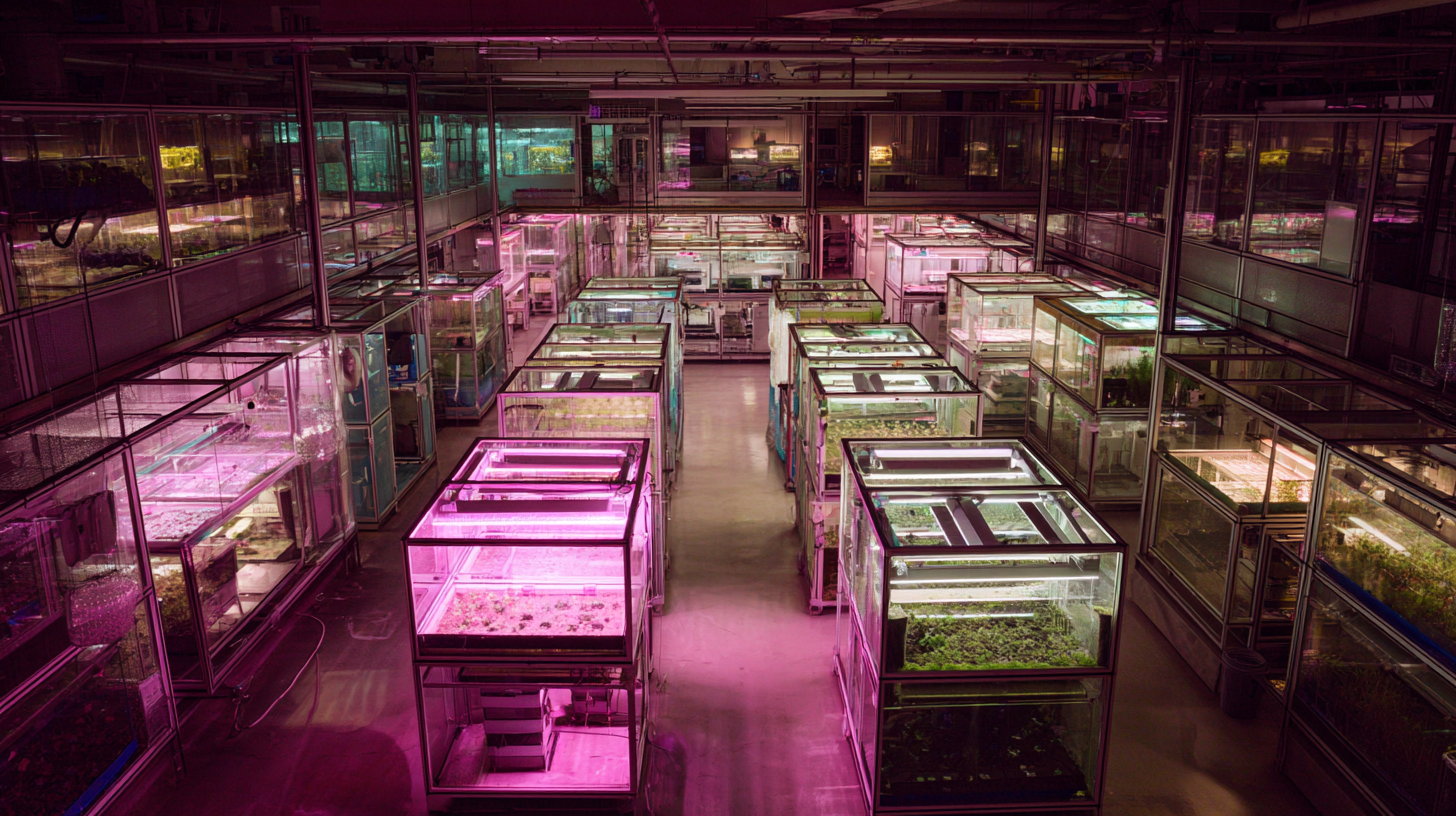
A preliminary technical report. Mammalian Biotech Research Division. Methods and results are presented for verification purposes only. Conclusions drawn from this data remain subject to revision pending extended observation.
Abstract
This report describes preliminary observations from a distributed tissue cultivation program designed to evaluate the scalability of mammalian cell-based protein production under geographically dispersed operational conditions. Cell viability, nutrient conversion efficiency, and batch-to-batch variance were assessed across twelve independent cultivation environments operating under standardized input conditions. Initial results indicate that nutritional yield parameters remain within acceptable ranges across all sites, with variance attributable primarily to environmental temperature fluctuation rather than process design. Persistence of cell line integrity beyond cycle forty remains inadequately characterized and represents the primary open question at this stage of observation.

Introduction
Conventional animal-based protein production concentrates biological manufacturing within geographically bounded agricultural systems. This concentration introduces well-documented failure vectors including disease propagation dynamics, climate-correlated yield instability, and logistical overhead associated with live animal transport. Distributed in vitro cultivation approaches separate the protein production substrate from these constraints by relocating the biological manufacturing process to controlled environments operating independently of agricultural land.
Prior work in this area has demonstrated proof-of-concept viability for single-site cultivation at laboratory scale. The question addressed here is whether equivalent viability parameters can be maintained when cultivation is distributed across multiple independent sites operating without centralized process oversight. This represents a necessary precondition for any commercially deployable distributed production architecture.
Twelve sites were selected for initial observation. Site selection criteria included geographic distribution, ambient temperature range, available utility infrastructure, and operator experience with sterile technique. Sites are not identified by name or location in this report.
Methods
A standardized cell line derived from bovine skeletal muscle tissue was propagated under consistent nutrient media formulation across all twelve sites. Bioreactor vessels were sourced from a single manufacturer and calibrated prior to deployment to reduce hardware-attributable variance. Operators at each site received equivalent procedural documentation and were assessed on procedural adherence prior to first cycle initiation.
Nutrient media composition was standardized. Delivery schedule was fixed at eight-hour intervals. Temperature targets were maintained within a two-degree Celsius window via automated control systems. Dissolved oxygen concentration was monitored continuously and maintained above established thresholds through mechanical agitation.
Each site completed a minimum of twenty cultivation cycles over the observation period. Cycle yield, expressed as grams of harvestable protein mass per liter of culture volume, was recorded at harvest. Cell viability at harvest was assessed via exclusion staining. Contamination events were logged and their impact on adjacent cycles characterized. Variance between sites was assessed relative to the aggregate mean across all sites and cycles.
Results
Mean cycle yield across all sites was 18.4 g/L, with a standard deviation of 2.1 g/L. This range is consistent with expectations derived from single-site laboratory observations.
Cell viability at harvest ranged from 81% to 94% across sites, with lower values observed consistently at three sites exhibiting the highest ambient temperature variance. Correlation between ambient temperature fluctuation and viability reduction was statistically significant (p < 0.01) and consistent across observation cycles.
Contamination events were recorded at four sites across the observation period, representing 6.2% of total cycles. All contamination events were attributable to operator procedural deviation from documented protocol. No contamination was attributable to media formulation or equipment failure. Cycles adjacent to contamination events were unaffected in eleven of thirteen instances.
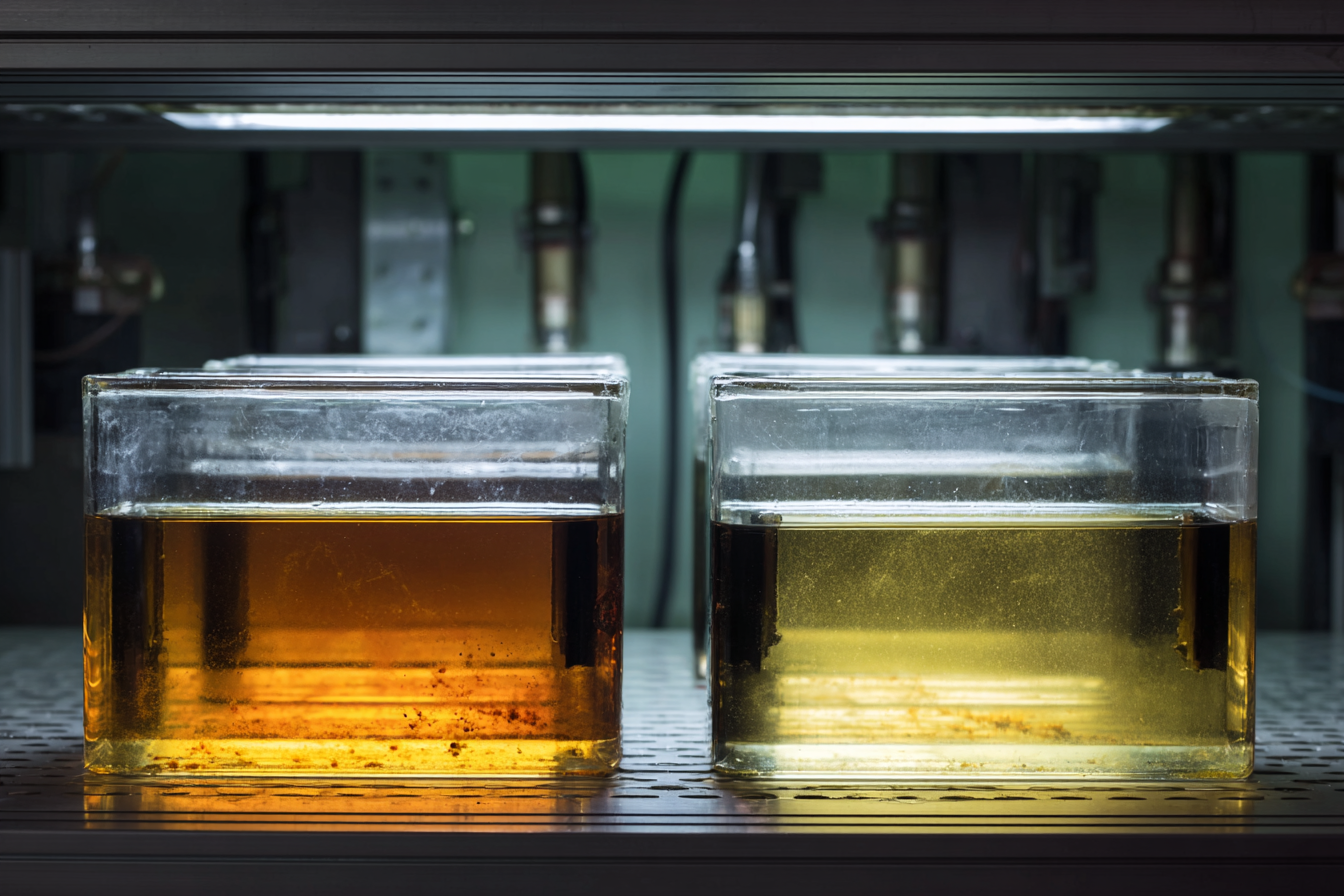
Batch-to-batch variance within individual sites was lower than cross-site variance, suggesting that site-specific environmental factors are a more significant source of variance than operator-to-operator differences in procedural execution.
Nutritional profile assessment of harvested material indicated protein content within 4% of conventional skeletal muscle tissue across all sites and cycles. Fat distribution and amino acid composition remained within observed ranges. Sensory assessment was not conducted in this observation phase.
Discussion
The primary finding of this observation phase is that distributed cultivation is operationally viable across twelve geographically dispersed sites under standardized input conditions. Yield and viability parameters do not degrade materially when production is geographically distributed, provided that environmental controls are adequate and operator training is consistent.
The limiting factor identified in this phase is ambient temperature management. Sites operating in environments with high ambient temperature variance exhibited systematically lower cell viability. This suggests that environmental control system specification is a critical variable in site qualification criteria for any deployment at scale. Further characterization of the minimum environmental control requirements is warranted.
Cell line integrity beyond cycle forty was not assessed in this phase. The long-term behavior of the cell lines used here — particularly the emergence of genetic drift, reduced proliferative capacity, or altered metabolic profiles over extended cultivation periods — remains poorly characterized and represents the primary open question. Extended observation windows are planned.
Contamination event data suggests that operator adherence is the most controllable variable affecting cycle success rates. This has implications for operator selection and training protocol design in any scaled deployment context.
Variance between sites was within acceptable parameters for initial characterization purposes. Whether this variance narrows or widens at higher production volumes, or under less controlled site selection conditions, cannot be determined from this dataset. This question will be addressed in subsequent observation phases involving a broader site population.
Conclusion
Distributed tissue cultivation at twelve independent sites produces protein within acceptable yield, viability, and nutritional parameters. Environmental temperature management and operator procedural adherence are the primary sources of variance. Long-term cell line behavior requires further characterization. These preliminary observations are consistent with the hypothesis that distributed biological manufacturing is a viable production architecture for protein at commercial scale, pending resolution of the identified open questions.
Data from this observation phase is available to qualified research partners upon request. Correspondence regarding methodology may be directed to the Mammalian Biotech Research Division.